

Buying a watch in Singapore can feel simple until you realise how many choices, price points, and sellers are in front of you. A watch may look impressive in photos, but real value comes from design, build quality, movement, comfort, brand reputation, and whether the piece truly fits your lifestyle.
This complete buyer’s checklist shows you how to judge whether a watch is actually worth buying in Singapore. You will learn what matters before you spend, how to compare watches with confidence, what warning signs to avoid, and how to choose a piece that feels satisfying long after the first unboxing.
In a market filled with fashion watches, sports watches, luxury-inspired designs, entry-level mechanical pieces, and premium collectibles, many buyers focus too much on appearance alone. That is understandable. A watch is one of the few accessories you wear almost every day, and its visual impact matters. But if you want value, you need to look deeper.
A worthwhile watch is not always the most expensive model in the display case. It is the one that delivers the best overall balance of design, durability, movement, wearability, finishing, versatility, and confidence for the price you pay. Whether you are buying your first serious watch, shopping for a gift, or upgrading to something more refined, this guide will help you make a smarter decision.
Why This Matters for Watch Buyers in Singapore
Singapore is one of the most active places in the region for watch enthusiasts. Buyers here are exposed to a wide range of brands, from affordable everyday labels to globally recognised luxury names. That creates opportunity, but it also makes comparison harder. A watch that seems attractive online may not wear well in person. Another may carry a strong brand name but offer less practical value than expected for the price.
Climate also matters. Singapore’s heat and humidity mean comfort, case finishing, strap material, water resistance, and everyday wearability should all be taken seriously. A good-looking watch that feels heavy, traps sweat, scratches too easily, or lacks practical durability can become disappointing fast.
That is why a proper checklist matters. It helps you move beyond impulse buying and evaluate a watch like a careful buyer rather than a casual browser.
Start With the Most Important Question: What Is This Watch For?
Before checking the dial, movement, or brand, ask yourself one clear question: what role do you want this watch to play in your life?
This is where many buyers make mistakes. They fall in love with a design without asking whether the watch matches how they actually dress, work, travel, or spend weekends. A watch can be beautifully made and still be the wrong purchase for you.
Think about which category best fits your needs:
- Everyday office watch: clean design, comfortable size, versatile colour, reliable build, easy to pair with formal or smart casual outfits.
- Weekend or casual watch: more relaxed styling, sportier case, stronger lume, more playful dial or strap combinations.
- Dress watch: slimmer case, elegant proportions, refined finishing, understated dial, ideal for formal settings.
- Statement piece: stronger visual identity, bolder case or bracelet design, meant to stand out.
- Collection upgrade: something that fills a gap in your existing watch lineup.
- Gift watch: balanced design, broad appeal, dependable quality, low-risk styling.
When you define the purpose first, your decision becomes much easier. You stop comparing everything against everything and start judging a watch by how well it does the specific job you want it to do.
The Complete Buyer’s Checklist: How to Judge If a Watch Is Worth Buying
1. Check Whether the Design Has Lasting Appeal
A watch worth buying should still look good to you after the novelty fades. Trendy designs can be tempting, but the strongest purchases usually have visual balance. Look at the dial layout, hand shape, hour markers, bezel proportion, case shape, and bracelet or strap integration.
Ask yourself:
- Does the design look balanced from edge to edge?
- Is the dial too busy, or is it easy to read at a glance?
- Will this style still suit you one or two years from now?
- Can you wear it with most of your wardrobe?
Some watches are impressive because they shout. Others are impressive because every detail feels intentional. The second kind often offers stronger long-term satisfaction.
In Singapore, versatile watches usually do well because many buyers want a piece that can move easily from weekday office wear to dinner, travel, and weekend use. That is one reason why refined multi-purpose collections remain attractive. If you prefer elevated styling with a modern finish, explore the Maison Executive Line. If you want a more classic profile, the Maison Heritage Line offers a more timeless direction.
2. Judge the Case Size and Wrist Fit Properly
A watch can look perfect in product photos and still feel wrong on your wrist. Fit is one of the biggest signs of whether a watch is worth buying. A piece that is too large can feel clumsy and uncomfortable. A watch that is too small may not give the presence you want.
Do not judge by case diameter alone. Also check:
- Lug-to-lug length: This affects how far the watch stretches across your wrist.
- Case thickness: Important for shirt cuffs, comfort, and overall elegance.
- Bracelet taper or strap flexibility: These influence how the watch settles on the wrist.
- Weight distribution: A heavy watch can still wear well if balanced properly.
For many buyers, the best watch is not the one with the most specifications, but the one that feels right immediately when worn. Comfort is not a small detail. It affects whether you actually enjoy using the watch every week.
3. Look at the Movement, But Keep It in Context
One of the first things people ask is whether the watch uses quartz or automatic movement. The truth is that both can be worth buying depending on the purpose, price, and wearer preference.
Quartz watches are usually more affordable, highly convenient, accurate for daily use, and easy to maintain. They are excellent for buyers who want a dependable watch without the routines linked to mechanical ownership.
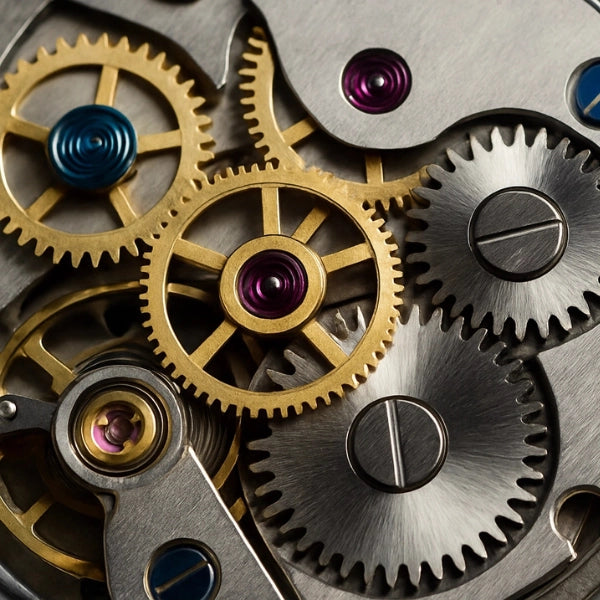
Automatic watches are valued for their mechanical charm, engineering appeal, and enthusiast credibility. Many collectors appreciate the movement of gears, rotors, and springs because it creates a stronger emotional connection to the watch.
Here is the practical rule: do not assume automatic is always better. A good quartz watch can deliver stronger real-world value than a poorly executed automatic watch. Likewise, a well-made automatic can be worth the premium if you care about craftsmanship and long-term ownership experience.
When judging the movement, consider:
- Is it reliable for the type of watch?
- Is the price increase justified by the movement upgrade?
- Does the movement match how you plan to wear the watch?
- Will you enjoy owning and maintaining it?
A movement matters, but it should support the whole product, not distract from it.
4. Assess Build Quality Beyond the Marketing
This is one of the clearest ways to tell whether a watch is worth the money. Build quality shows up in the little details. It is not only about materials listed in the description. It is about how well everything comes together.
Check for the following:
- Case finishing: Are the brushed and polished surfaces clean and consistent?
- Dial quality: Are the markers aligned? Is the printing sharp? Do the hands land cleanly?
- Crown action: Does it feel solid and precise, or loose and cheap?
- Bracelet or strap quality: Does it feel substantial, flexible, and well-finished?
- Clasp strength: Does it close securely?
- Crystal clarity: Is the watch easy to read under light?
A watch that is worth buying usually feels coherent in hand. Even before reading the specifications, you can sense whether corners were cut or whether care went into the final product.
5. Consider Water Resistance Realistically
Many buyers overlook this, but it matters in Singapore. Between humidity, sudden rain, handwashing, travel, and day-to-day exposure, practical durability is important.
You do not need every watch to be a dive watch. But you should still check whether the water resistance matches your lifestyle. A basic dress watch worn mostly indoors has different needs from a watch used for travel, errands, and regular outdoor activity.
Water resistance alone does not decide value, but it contributes to everyday confidence. A watch that makes you nervous during normal use may not feel like a good long-term purchase.
6. Think About Versatility, Not Just First Impression
A watch that works across more situations often gives better value. This is especially true if you are not building a large collection. Ask whether the watch can be worn with a polo shirt, office attire, dinner outfit, and weekend clothes without feeling out of place.
Versatile design cues include:
- neutral dial colours such as black, silver, blue, white, or champagne
- balanced case proportions
- clean markers and readable hands
- bracelets or straps that pair well with multiple looks
- enough presence to feel premium without becoming overwhelming
If you want something with stronger visual presence for special occasions, a more elevated collection may suit you better. The Maison Prestige Line is ideal for buyers who want a more commanding luxury feel, while the Maison Urban Line is better suited to modern, everyday city styling.
7. Compare the Price Against the Full Ownership Experience
Price matters, but value is broader than cost alone. A watch worth buying should feel justified when you consider everything you get in return: design satisfaction, daily wearability, finishing, movement quality, perceived prestige, brand appeal, and how often you will actually use it.
Ask these questions:
- Does this watch feel better than others at the same price?
- Am I paying mostly for branding, or for meaningful product quality too?
- Would I still be happy with this purchase six months later?
- Does this watch give me enough reasons to choose it over alternatives?
Sometimes a buyer pays too little and ends up with a watch that feels disappointing within weeks. Sometimes a buyer pays more but gets a piece that delivers pride of ownership every time it goes on the wrist. That is the difference between a cheap purchase and a worthwhile one.
8. Study the Brand Positioning Without Being Blinded by It
Brand strength matters in watches. It affects design language, social recognition, buyer confidence, and often resale interest. But brand name alone should not control your decision.
Some buyers only chase the logo. Others ignore brand importance entirely. The smartest approach is to stay balanced. A strong brand can enhance a watch’s appeal, but you still need to judge whether the actual watch deserves the price.
For example, when comparing a Rolex watch for men in Singapore to other premium watches, buyers often focus on prestige first. That is understandable. But the better question is whether the specific model suits your needs, budget, wrist size, and ownership goals. The same applies when comparing well-known names such as Tissot, Seiko, TAG Heuer, Longines, Citizen, Casio, Swatch, Hamilton, Cartier, or Omega. Use brand names for reference and education, but always come back to the product itself.
9. Evaluate Legibility and Everyday Usability
A watch is still a tool, even when it is also jewellery and personal style. If the time is hard to read, the date window feels awkward, or the hands disappear against the dial, the watch may become annoying in daily life.
Legibility includes:
- contrast between hands and dial
- marker visibility
- anti-reflective performance
- clear date placement if the watch has a date display
- useful lume for low-light settings
Do not ignore usability because of design. A great watch finds a balance between style and function.
10. Look at the Bracelet or Strap as Seriously as the Watch Head
Many buyers spend all their attention on the case and dial, then forget the bracelet or strap. That is a mistake because the bracelet or strap affects comfort, appearance, and perceived quality every single day.
A strong bracelet should feel secure, smooth on the wrist, and consistent in finishing. A good leather strap should feel comfortable, hold its shape well, and complement the case instead of making the watch feel cheap. Poor strap quality can drag down an otherwise attractive watch.
Sometimes the smartest buying decision is choosing a watch with a better bracelet, even if another model has a slightly more eye-catching dial. Long-term satisfaction usually comes from the total wearing experience.
11. Ask Whether the Watch Has a Strong Identity
The best watches usually stand for something. They may reflect elegance, modern minimalism, sporty confidence, vintage inspiration, technical design, or urban versatility. A watch with a strong identity tends to remain more satisfying because it feels like a complete idea rather than a random set of features.
Identity is what makes a watch memorable. It is why some pieces feel generic while others feel collected, gifted, and worn with pride. If a watch does not say anything clearly, it may be harder to stay excited about it.
12. Think About Whether You Are Buying for Trend or for Ownership
There is nothing wrong with liking what is popular. But a watch worth buying should still feel right when trends cool down. Social media can push buyers toward oversized cases, flashy dial colours, or logo-driven designs that feel exciting in the short term yet lose appeal quickly.
Ask yourself whether you genuinely like the watch or whether you mainly like the attention around it. This simple question can save you from regret.
Red Flags That Suggest a Watch May Not Be Worth Buying
It is just as important to know what to avoid. Some warning signs are subtle, while others are obvious once you know what to look for.
1. The watch relies only on branding
If the price seems driven entirely by the logo while quality, finishing, and wear experience do not support it, step back and compare more carefully.
2. Poor finishing in key details
Misaligned markers, weak clasp action, rough bracelet edges, or an underwhelming crown feel can all suggest disappointing overall quality.
3. The fit is wrong but you are trying to justify it
If the watch feels too large, too thick, or top-heavy, do not force the purchase just because you like the dial.
4. It does not match your actual lifestyle
A very formal watch may be beautiful, but it may not be worth buying if you rarely wear formal clothing. A heavy sports watch may be impressive, but not if you want slim comfort for office use.
5. You are buying mainly because it looks expensive
There is a difference between strong presence and shallow appeal. A worthwhile watch offers more than image alone.
6. You cannot explain why it is better than your alternatives
If you cannot clearly name what makes the watch special for you, it may not be the right buy yet.
How to Compare Two Watches Properly
When choosing between two models, create a simple comparison checklist instead of relying on instinct alone. Score each watch on:
- design appeal
- wrist fit
- movement suitability
- build quality
- comfort
- versatility
- brand confidence
- value for money
- how often you expect to wear it
This method works because it shifts your decision away from hype and toward ownership reality. The winning watch is often the one that feels more complete overall, even if it is not the one you first noticed.
Is Resale Value Important?
For some buyers, yes. For others, not really. If resale matters to you, then brand recognition, model demand, condition, and purchase price become more important. But many buyers in Singapore simply want a watch they enjoy wearing for years. In that case, personal satisfaction matters more than future resale.
Do not buy a watch only because you think it might hold value. Buy it because it is worth owning. If it also performs well later, that is a bonus.
Should You Buy a Fashion Watch, a Premium Everyday Watch, or a More Luxurious Piece?
This depends on your purpose and expectations. A fashion-forward watch may offer good visual impact, but not always the strongest long-term substance. A premium everyday watch often gives the best balance for first-time buyers because it combines style, comfort, and broad usability. A more luxurious piece can be worth the higher price if you value stronger finishing, presence, and emotional satisfaction.
The right choice comes down to honesty. What do you want from the watch? If you want reliable daily style, choose balance. If you want occasion-ready elegance, choose refinement. If you want a stronger statement, choose a model with more visual authority.
A Practical Singapore Buyer’s Checklist Before You Purchase
Use this quick checklist before you commit:
- Does the watch suit the role I want it to play?
- Does it fit my wrist properly in diameter, thickness, and lug length?
- Do I like the design enough for long-term ownership?
- Is the movement right for my habits and expectations?
- Does the watch feel well built in person?
- Is the bracelet or strap good enough for daily comfort?
- Does the water resistance match how I live?
- Can I wear it across multiple settings?
- Is the asking price fair for what I am getting?
- Would I still want this watch if the brand name were less famous?
If you can answer these questions confidently, you are much closer to making a smart purchase.
Why Many Good Watch Purchases Come Down to Balance
The most worthwhile watches are rarely extreme in just one area. Instead, they balance strong design, dependable quality, daily comfort, and believable value. That balance is what makes a watch feel right not just on day one, but months and years later.
For buyers who want a curated starting point, Maison Timepieces offers several directions depending on taste and lifestyle. The Maison Executive Line suits buyers looking for polished sophistication. The Maison Heritage Line appeals to those who appreciate timeless character. The Maison Prestige Line is ideal for a more elevated luxury presence, while the Maison Urban Line fits modern everyday city wear. You can also explore the full range at Maison Timepieces.
Final Thoughts: How to Tell If a Watch Is Truly Worth Buying
A watch is worth buying when it gives you more than a good first impression. It should feel right on the wrist, fit your lifestyle, deliver satisfying quality, and justify its price with real ownership value. The best watch for you is not automatically the most expensive, the most famous, or the most talked about. It is the one that combines confidence, comfort, design, and practicality in a way that keeps making sense every time you wear it.
If you use the checklist in this guide, you will make better decisions, avoid weaker purchases, and build a collection with more intention. That matters whether you are shopping for your first serious piece or your next upgrade.
Disclaimer: Maison Timepieces is an independent retailer of authentic designer watches. All trademarks belong to their respective owners.