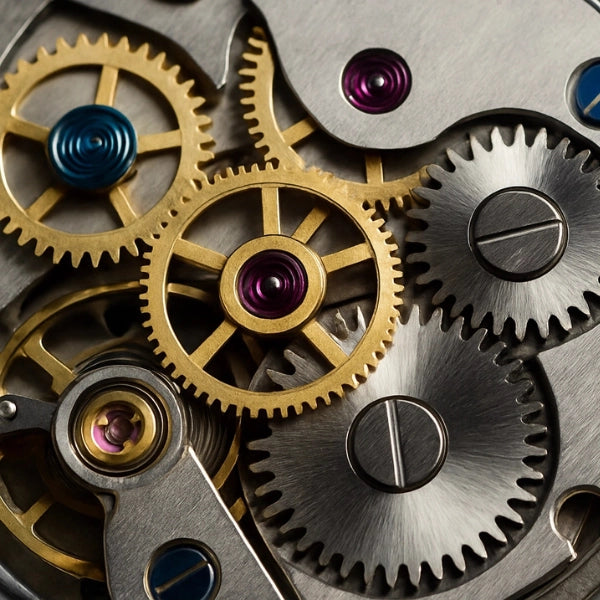


When buying a watch in Singapore, one detail quietly determines everything from performance to price: the movement inside. Swiss, Japanese, and hybrid movements each offer different advantages, but many buyers do not fully understand how these differences affect real-world ownership.
This guide explains watch movements in a clear, practical way tailored for Singapore buyers. You will learn how Swiss, Japanese, and hybrid movements compare in accuracy, durability, craftsmanship, and value — and how to choose the right one based on your lifestyle and expectations.
Whether you are considering a Rolex watch for men in Singapore, a Seiko automatic, or a modern hybrid quartz design, this breakdown will help you make a confident, informed decision.
What Is a Watch Movement?
The movement is the internal mechanism that powers a watch and controls how it keeps time. It is often called the “heart” of the watch because it determines accuracy, functionality, and overall performance.
There are three main categories you need to understand:
- Swiss movements
- Japanese movements
- Hybrid movements
Each category represents a different philosophy in watchmaking, balancing precision, cost, innovation, and heritage.
Swiss Movements: Precision, Heritage, and Prestige
What Defines a Swiss Movement?
Swiss movements are associated with traditional watchmaking excellence. To be labelled “Swiss Made,” a watch must meet specific criteria, including assembly and inspection in Switzerland.
Brands such as Rolex, Omega, TAG Heuer, and Longines are commonly linked to Swiss movements, known for their craftsmanship and strong global reputation.
Strengths of Swiss Movements
- Craftsmanship: Swiss movements are often finished with high attention to detail.
- Prestige: Strong brand perception and recognition worldwide.
- Mechanical innovation: Advanced automatic and chronograph mechanisms.
- Collector appeal: Often preferred by enthusiasts.
Considerations
- Higher price point compared to other movement types
- More expensive servicing over time
- May not always offer better accuracy than quartz alternatives
Swiss movements are ideal for buyers who value heritage, brand prestige, and mechanical craftsmanship.
Japanese Movements: Reliability, Value, and Innovation
What Defines a Japanese Movement?
Japanese watchmaking focuses on efficiency, durability, and affordability. Major brands like Seiko, Citizen, and Casio have built strong reputations for producing reliable movements across a wide range of price points.
Strengths of Japanese Movements
- Reliability: Consistent performance with minimal issues
- Value for money: Strong quality at accessible pricing
- Innovation: Technologies like solar-powered and kinetic movements
- Low maintenance: Designed for everyday use
Considerations
- Less emphasis on decorative finishing
- Lower perceived prestige compared to Swiss brands
For Singapore buyers who want a dependable watch that performs well in humid conditions without high maintenance, Japanese movements are often a practical choice.
Hybrid Movements: The Best of Both Worlds?
What Is a Hybrid Movement?
Hybrid movements combine elements of quartz and mechanical systems. These can include:
- automatic quartz (kinetic movements)
- solar-powered quartz
- mecha-quartz chronographs
Hybrid movements aim to deliver precision and convenience while retaining some mechanical characteristics.
Strengths of Hybrid Movements
- high accuracy similar to quartz
- reduced need for battery replacement (solar/kinetic)
- more engaging feel than standard quartz
Considerations
- less traditional compared to mechanical watches
- fewer options in premium luxury segments
Hybrid movements are increasingly popular among modern buyers who want convenience without completely giving up mechanical appeal.
Swiss vs Japanese vs Hybrid: Direct Comparison
Accuracy
Quartz-based hybrid movements are typically the most accurate. Japanese quartz movements also perform extremely well. Swiss automatic movements prioritise craftsmanship over precision, resulting in slightly lower accuracy compared to quartz.
Durability in Singapore Climate
Singapore’s humidity and heat favour simpler, more robust systems. Japanese and hybrid movements tend to perform better in everyday conditions due to fewer delicate components.
Maintenance
Swiss automatic watches require periodic servicing. Japanese quartz and hybrid watches are easier to maintain, making them suitable for busy lifestyles.
Emotional Value
Swiss movements lead in emotional appeal due to heritage and mechanical craftsmanship. Japanese and hybrid movements focus more on function and efficiency.
Price-to-Value Ratio
Japanese movements often offer the best value for money. Swiss movements command higher prices due to branding and craftsmanship. Hybrid movements sit in between, offering a balanced approach.
Which Movement Is Best for Singapore Buyers?
For Everyday Wear
Japanese quartz or hybrid movements are excellent choices for daily use. They provide reliability, accuracy, and low maintenance in Singapore’s climate.
Collections like the Maison Urban Line are designed for modern daily wear, combining comfort with practical performance.
For Office and Business Settings
A refined watch with either a high-quality quartz or automatic movement works well. The key is balance between elegance and convenience.
The Maison Executive Line offers polished designs suitable for professional environments.
For Collectors and Enthusiasts
Swiss automatic movements are often preferred for their craftsmanship and heritage. They provide a deeper ownership experience and stronger collector appeal.
For timeless design inspiration, the Maison Heritage Line reflects classic watchmaking aesthetics.
For Statement and Luxury Appeal
If visual presence and refinement are priorities, movement choice becomes secondary to overall design and finishing.
The Maison Prestige Line delivers stronger luxury presence for those seeking standout pieces.
Common Misconceptions About Watch Movements
“Swiss Is Always Better”
Swiss movements offer craftsmanship and prestige, but Japanese movements often deliver better practicality and value for everyday use.
“Quartz Is Low Quality”
Quartz movements are highly precise and reliable. Many premium watches use quartz for performance reasons.
“Hybrid Movements Are Inferior”
Hybrid movements are modern innovations designed for convenience and efficiency. They serve a different purpose rather than being inferior.
How to Choose the Right Movement for You
Use this simple framework:
- Choose Swiss if you value heritage, craftsmanship, and brand prestige
- Choose Japanese if you prioritise reliability, affordability, and practicality
- Choose hybrid if you want convenience with modern innovation
Also consider how often you will wear the watch, your tolerance for maintenance, and whether you prefer mechanical engagement or effortless use.
Final Thoughts: What Really Matters
The best watch movement is not about status alone. It is about how well it fits your lifestyle in Singapore. Climate, daily routine, and personal preference all play a role.
A well-chosen watch should feel effortless to wear, reliable over time, and satisfying every time you check the time. Whether you choose Swiss, Japanese, or hybrid, the right decision comes from understanding what each movement offers and how it aligns with your needs.
Explore more options at Maison Timepieces to find a watch that combines design, performance, and long-term value.
Disclaimer: Maison Timepieces is an independent retailer of authentic designer watches. All trademarks belong to their respective owners.