

Angelus watches represent one of Swiss watchmaking’s most fascinating revivals. In Singapore, where collectors increasingly look beyond mainstream luxury brands, Angelus stands out for blending deep historical roots with bold, contemporary horology. This guide explains who Angelus is, why the brand matters today, and how it fits into the modern collector’s landscape.
This article is written for watch enthusiasts, collectors, and readers seeking genuine horological insight. Understanding Angelus helps explain how historic watchmaking houses can return with relevance, credibility, and technical ambition.
The Origins of Angelus Watchmaking
:contentReference[oaicite:0]{index=0} was founded in Switzerland in the late 19th century and quickly earned a reputation for precision chronographs, travel watches, and complicated timepieces. During the early and mid-20th century, Angelus movements powered watches used by professionals, explorers, and military units.
The brand was particularly respected for in-house movement production, an achievement that placed it among Switzerland’s serious technical manufacturers rather than simple assemblers.
Why Angelus Disappeared — and Why That Matters
Like many historic Swiss brands, Angelus struggled during the quartz crisis. Changing consumer preferences and economic pressure led to its disappearance from the mainstream market.
However, disappearance does not equal failure. Many of today’s most respected revived brands share similar histories. What matters is how a brand returns—and whether it respects its original identity.
The Revival of Angelus in Modern Horology
Angelus re-emerged as a modern independent-style brand with a clear objective: to honor its heritage while producing contemporary high-end mechanical watches.
Instead of replicating vintage designs, the revived Angelus focuses on:
- Architectural movements
- Skeletonised constructions
- Modern materials and finishes
- Limited production philosophy
This approach positions Angelus firmly within modern haute horology rather than nostalgic re-editions.
Why Angelus Watches Appeal to Singapore Collectors
Singapore is one of Asia’s most educated watch markets. Collectors here often move through a natural progression—from mainstream luxury brands to independent and heritage-revival watchmakers.
Angelus resonates with Singapore collectors because it offers:
- Authentic Swiss heritage
- Distinct modern design language
- Technical depth beyond aesthetics
- Rarity without mass-market exposure
For collectors who value substance over logo recognition, Angelus presents a compelling narrative.
Movement Architecture: What Makes Angelus Different
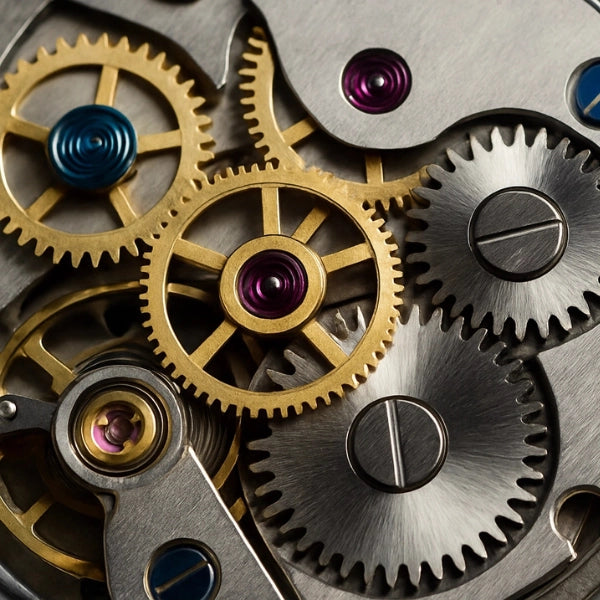
One of Angelus’ defining traits is its emphasis on movement architecture. Rather than hiding mechanics beneath closed dials, many Angelus watches reveal their internal structure.
Key characteristics include:
- Openworked bridges
- Symmetrical layouts
- Manually finished components
- Strong visual depth
This transparency appeals to collectors who appreciate engineering as much as external design.
Angelus vs Traditional Swiss Luxury Brands
Traditional luxury brands focus on continuity, consistency, and broad recognition. Angelus follows a different path.
Rather than producing incremental updates, Angelus embraces experimentation. Its watches feel modern, technical, and expressive—qualities that distinguish them from conservative luxury offerings.
Both approaches serve different collectors. Angelus speaks to those who want individuality and mechanical storytelling.
Is Angelus Considered Independent Horology?
While Angelus is not a one-person atelier, its production philosophy aligns closely with independent horology. Limited runs, technical creativity, and emphasis on movement design place it closer to independent brands than industrial manufacturers.
This positioning is important in Singapore, where many collectors actively seek watches that feel personal and uncommon.
Collector Value and Long-Term Interest
This guide does not frame watches as financial instruments. However, collector interest in Angelus stems from several long-term factors:
- Historic legitimacy
- Modern technical relevance
- Limited production volumes
- Distinct visual identity
These qualities often sustain collector communities over time.
Why Heritage Revivals Matter in Horology
Heritage revivals like Angelus serve an important role. They reconnect modern watchmaking with its historical foundations while allowing innovation to continue.
When executed correctly, a revival strengthens horological culture rather than diluting it.
How Angelus Fits into a Balanced Watch Collection
Most collectors build diverse collections rather than focusing on one style. Angelus typically occupies the modern-heritage or technical-art category.
It complements:
- Classic dress watches
- Everyday luxury pieces
- Sport or travel watches
This balance allows collectors to enjoy different expressions of watchmaking.
Exploring Refined Watch Styles Alongside Angelus
While Angelus represents technical modern horology, collectors often pair such pieces with elegant, versatile watches for daily wear.
You may explore refined designs through Maison Timepieces collections:
- Maison Executive Luxury Men’s Watches
- Maison Heritage Line
- Maison Prestige Collection
- Maison Urban Line
This pairing strategy allows collectors to enjoy both expressive and timeless aesthetics.
Why Angelus Is Relevant Today
Angelus succeeds because it does not rely on nostalgia alone. The brand respects its past while committing to contemporary horological expression.
In a world filled with repetitive designs, Angelus offers something intellectually engaging.
Final Thoughts: Angelus in the Singapore Watch Scene
Angelus watches are not designed for mass appeal. They are made for collectors who value heritage, innovation, and authenticity.
In Singapore’s sophisticated watch market, Angelus represents how a legendary name can return with credibility and modern relevance—without compromising horological integrity.
Maison Timepieces is an independent retailer of authentic designer watches. All trademarks and brand names belong to their respective owners.